As the calendar turns, the agricultural machinery world is heading into one of its most interesting periods in years. Major manufacturers are lining up new releases, refreshed platforms, and technology upgrades that signal where farming equipment is headed next. From higher horsepower tractors to smarter combines and more automated field equipment, 2026 is shaping up to be a year of meaningful change.
At Tractor Tuesday, we keep a close eye on what is coming next because it impacts how farmers operate, invest, and make buying decisions. Here is what we are looking forward to as the new year unfolds.
New Machinery Releases on the Horizon
Several manufacturers are entering 2026 with significant machine updates that go well beyond minor revisions.
Case IH is expanding its high-horsepower offerings, including updates at the top end of its tractor lineup and a refreshed Puma series aimed at improving drivability, transmission performance, and operator comfort. These machines are designed for ow crop and mixed operations that want more technology without unnecessary complexity.
Massey Ferguson is bringing more CVT options into mid-range tractors, which continues the trend of features once reserved for premium models becoming more accessible. This matters for farms that want smoother operation, fuel efficiency, and precision control without jumping to the largest frame sizes.
John Deere is continuing to push automation in harvesting and spraying. The next generation of combines is expected to further refine predictive ground speed automation and crop sensing, helping operators maintain consistent performance across varying conditions. On the spraying side, Deere continues expanding machine vision-based See and Spray application systems that reduce input costs while maintaining coverage.
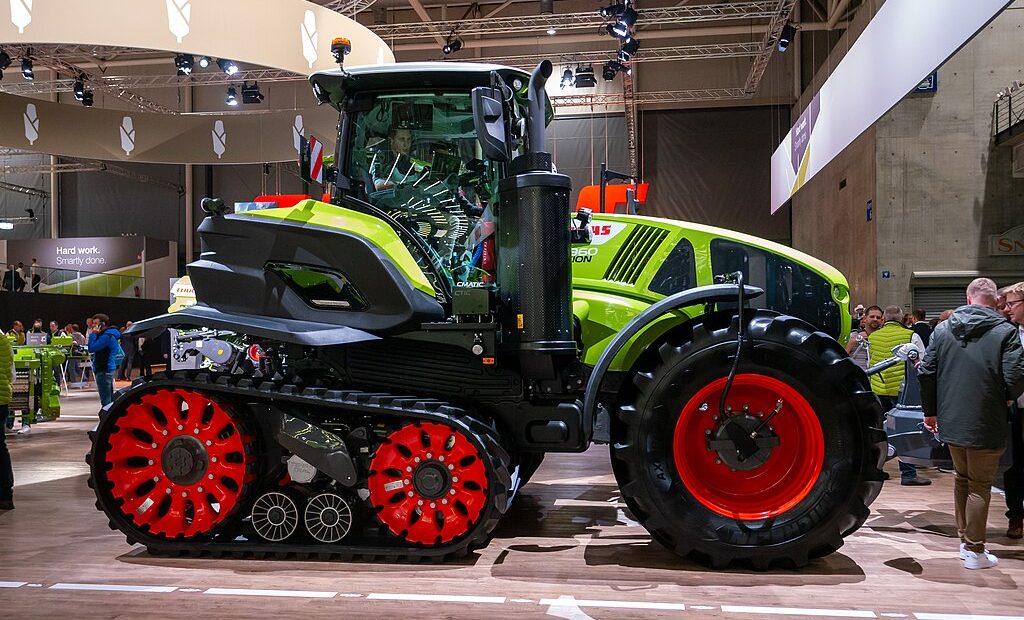
CLAAS is also making noise heading into 2026 with updates across tractors, combines, and forage equipment. Larger combine platforms are focused on throughput and grain quality, while new tractor offerings emphasize connectivity and operator ergonomics. Electric and alternative drive machines are also slowly moving from concept to limited production, especially in material handling equipment.
Across the board, these releases point to a common theme. Manufacturers are investing in refinement and intelligence rather than radical redesigns, which tends to benefit farmers who want reliability and familiarity paired with better performance.
Precision Technology Becoming the Standard
One of the biggest shifts we expect to continue in 2026 is the normalization of precision technology. Features that were once optional or limited to flagship models are becoming standard across more machine classes.
Guidance, section control, variable rate capability, and machine data connectivity are increasingly baked into base configurations. This lowers the barrier for farms that want to take advantage of data-driven decisions without fully overhauling their equipment lineup.
Machine vision is another area gaining traction. Cameras and sensors are being used for guidance, crop detection, spray targeting, and performance optimization. As these systems improve, they help reduce fatigue and guesswork while improving consistency in the field.
Automation That Helps, Not Replaces
Autonomy continues to be a headline topic, but the real progress is happening in practical steps rather than fully autonomous fleets. In 2026, we expect to see more semi-autonomous features that assist operators rather than replace them.
Automation in turning, headland management, speed control, and implement coordination is becoming more refined and reliable. These tools reduce stress during long days and help operators get more out of both new and used equipment.
For many farms, this type of automation offers the best return. It improves productivity without forcing a complete change in how equipment is managed or staffed.
Comfort and Usability Matter More Than Ever
Another trend we are watching closely is the continued focus on operator experience. Cab layouts, visibility, controls, and ride quality are getting real attention from manufacturers.
Long days in the field are easier when machines are intuitive, quieter, and more comfortable. Better seats, improved suspension, clearer displays, and simplified controls may not grab headlines, but they directly impact productivity and operator satisfaction.
This focus also helps with labor challenges. Machines that are easier to learn and operate make it simpler to train seasonal or less experienced operators.
What It Means for Buyers and Sellers
For buyers, the new year brings more choice and more technology at multiple price points. It also means the used equipment market will continue to see strong demand as farms weigh the value of incremental upgrades versus major purchases.
For sellers, staying informed about incoming models matters. New releases often shift demand patterns, affect resale values, and influence what buyers are actively searching for. Understanding these trends helps sellers position equipment more effectively, whether through private sales, retail listings, or auctions.
Looking Ahead
The agricultural machinery landscape in 2026 is shaping up to be thoughtful rather than flashy. The focus is on smarter machines, better integration, and practical innovation that supports real world farming.
At Tractor Tuesday, we are excited to watch these machines roll out and to help buyers and sellers navigate what they mean in the marketplace. Whether you are upgrading, downsizing, or just keeping an eye on where the industry is headed, the year ahead promises meaningful progress across the field.
We will be here every step of the way, excited to see these new machines roll into our Daily Deals marketplace through our dealership partners.


Leave a Reply