As water availability becomes an increasing concern across many farming regions, producers are being pushed to rethink how irrigation and water management fit into long term sustainability. Agriculture accounts for a large share of freshwater use, and even modest improvements in efficiency can have meaningful impact. A growing body of research and on-farm experience shows that the most effective strategy is not relying on a single tool, but combining multiple technologies to guide smarter water use. This article draws from a recent Farm Progress report examining how a mix of technologies can help farmers conserve water while maintaining strong yields.
Why Blending Technologies Matters
One of the key takeaways from the analysis is that water savings improve when technologies are layered together. Each system provides a different piece of the decision-making puzzle. When those pieces are combined, farmers gain a clearer picture of crop demand, soil conditions, and environmental stress.
Instead of irrigating on fixed schedules or relying on visual crop stress alone, producers are increasingly using integrated data streams to determine when water is truly needed. This shift allows irrigation to become more responsive and precise, reducing overwatering and runoff while supporting crop health.
Soil and Crop Monitoring as a Foundation
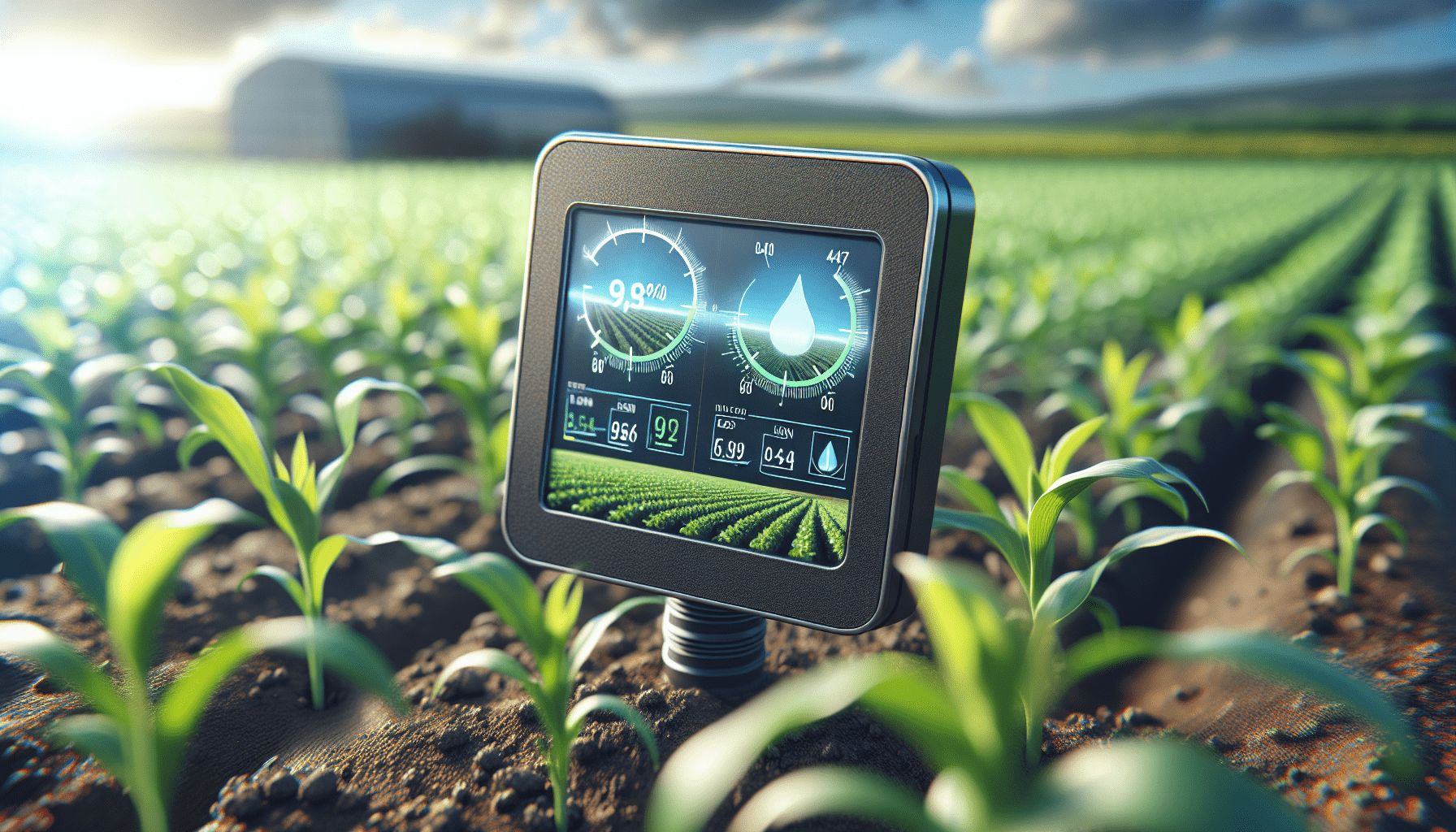
Soil moisture sensors play a critical role in water-saving strategies. These sensors measure moisture levels at different depths in the root zone, giving farmers real-time insight into how much water crops can actually access. By relying on measured data rather than assumptions, farmers can delay irrigation when adequate moisture is already present.
Plant-based sensing tools add another layer of insight by monitoring crop stress directly. These systems help identify when plants are beginning to experience water limitations, allowing irrigation to be timed for maximum effectiveness. When soil and plant data are used together, irrigation decisions become far more accurate than relying on either method alone.
Weather Data and Evapotranspiration Modeling
Weather-based tools help farmers understand how quickly water is leaving the soil through evaporation and plant use. Evapotranspiration models combine temperature, wind, humidity, and solar radiation to estimate daily crop water demand. These models are especially powerful when paired with soil moisture data, as they provide both current conditions and forward-looking guidance.
Using weather and evapotranspiration data helps farmers avoid irrigating ahead of rainfall events and prevents unnecessary watering during cooler or less demanding periods. Over time, this approach can significantly reduce total water use without compromising yields.
Smarter Irrigation Management Systems
Modern irrigation management platforms bring these data sources together in one place. Many systems now allow farmers to monitor fields, control irrigation equipment, and review performance from a mobile device. This level of visibility makes it easier to adjust irrigation schedules quickly as conditions change.
Variable rate irrigation systems take efficiency even further by applying different amounts of water across a single field. By accounting for soil variability, topography, and crop growth stages, these systems reduce water application in areas that do not require as much moisture while ensuring sufficient water where it is needed most.
Balancing Technology, Cost, and Adoption
While the benefits of water-saving technologies are clear, adoption depends on practicality and return on investment. Successful implementation requires tools that are easy to use, reliable, and economically justified. Training, support, and clear data interpretation are just as important as the hardware itself.
When farmers adopt a balanced mix of technologies that fit their operation, the payoff extends beyond water savings. Improved irrigation efficiency often leads to better crop uniformity, reduced energy costs, and stronger long-term soil health.
A Data-Driven Path Forward
Water conservation in agriculture is now about applying the right amount of water at the right time in the right place, not just cutting back blindly. By combining soil sensors, crop monitoring, weather data, and precision irrigation systems, farmers can build resilient water management strategies that protect both their resources and their profitability.
As pressure on water supplies continues to grow, mixing technological solutions will remain one of the most effective ways for farmers to adapt while continuing to feed the world.


Leave a Reply