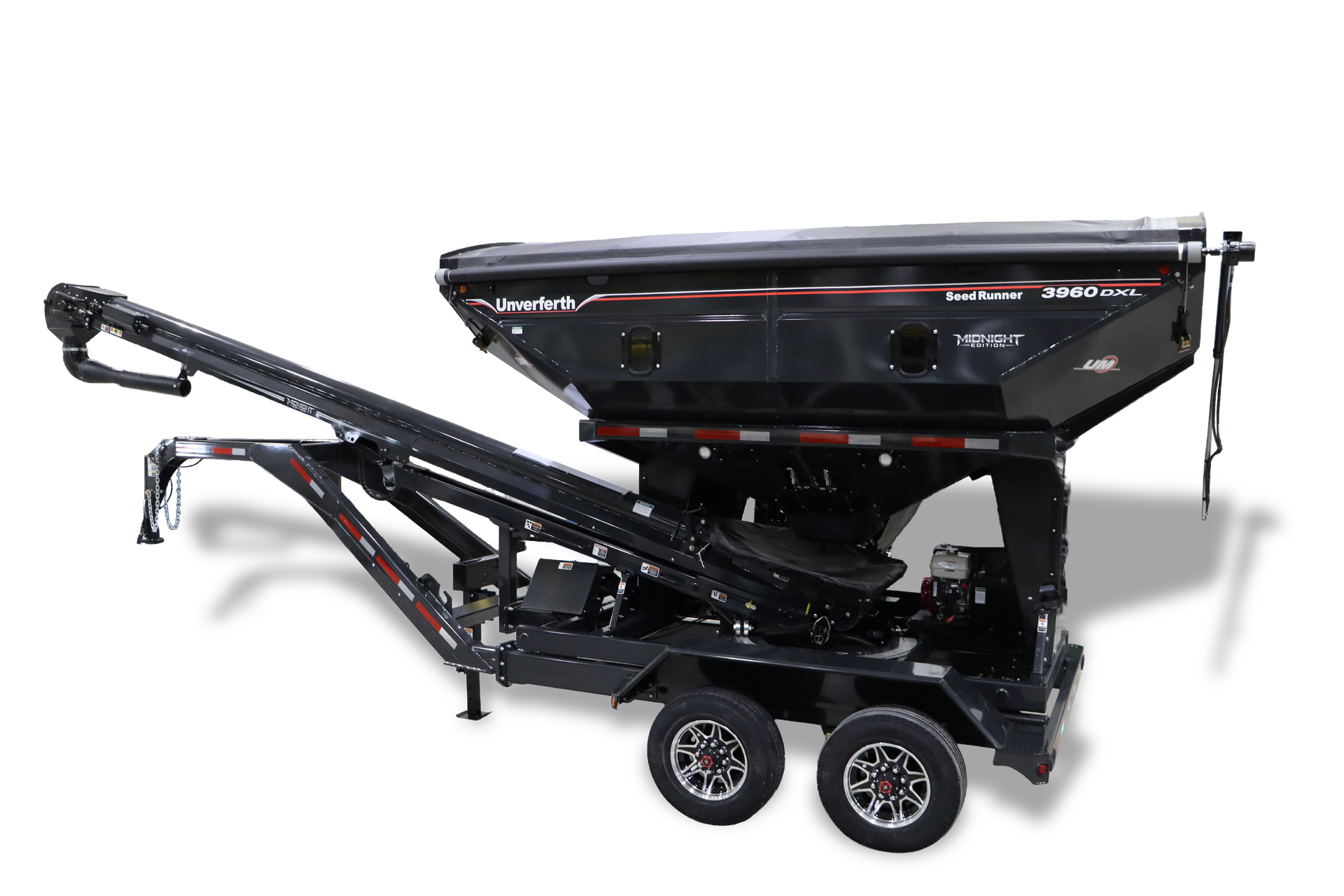
There is an important shift happening in planting logistics, and it is showing up in the equipment that keeps planters moving. The latest example is the newly announced 60-series Seed Runner lineup from Unverferth Manufacturing, set to roll out in 2027 with a noticeable jump in automation, control, and operator usability.
A recent piece from High Plains Journal highlighted the update, and it is worth paying attention to. Seed tenders rarely get much spotlight, but they sit right at the center of planting efficiency. When they improve, the impact carries across the entire operation.
What’s new with the 60-series Seed Runner
The new lineup includes four models ranging from 275 to 500 unit capacities, but the real story lies in how these machines operate. Unverferth has built a more connected and responsive system that brings tenders closer to the rest of the precision ag workflow.
At the center of the update is a CAN bus communication system. Bringing that level of coordination into a seed tender allows multiple functions to run at once with smoother control. Operators can manage conveyor movement, hydraulics, and engine response together, rather than working through each function step by step.
The hydraulic system has been redesigned and paired with an electronically controlled engine. The result is quicker response and about a 15 percent improvement in fuel efficiency. Over the course of long planting days, those gains stack up in both time and cost.
Unverferth has also focused heavily on operator control. The new five-function wireless remote handles conveyor positioning, hopper doors, engine start, and throttle, while also tying into the scale system. That allows operators to adjust unloading speed and monitor weight without being tied to the machine.
The DG3520 scale package adds another layer of precision. Preset unload weights and automatic shutoff help ensure consistent fills without constant monitoring. Bluetooth capability provides an additional way to interact with the system from a mobile device when needed.
On the mechanical side, the auto-tension conveyor simplifies maintenance. A spring-loaded system keeps the belt properly tensioned, reducing the need for manual adjustments and helping prevent downtime during critical windows.
From support equipment to smart equipment
This launch reflects a broader trend across agriculture. Equipment that once played a purely supporting role is becoming more integrated, more responsive, and more intelligent.
In the High Plains Journal article, Shawn Gerdeman, director of product support and development at Unverferth, summed it up this way:
“The new 60-Series carries on the legacy… and brings new technology enhancements.”
That description captures the intent, though the implications go further. These updates position the seed tender as part of the overall system rather than a standalone tool. It is another connected piece in the chain that determines how efficiently planting gets done.
The bigger picture
There is a reason companies are investing in this category heading into 2027. Many of the most visible machines in the field have already seen major gains in performance and technology. The next round of improvements is coming from the systems that support them.
Seed tenders sit at a key intersection of logistics, labor, and timing. Improving their performance has a ripple effect across the entire operation.
For farmers, that means fewer interruptions and more consistent progress during tight planting windows. For dealers and platforms, it reinforces a shift in where value is created. The machines doing the work matter, but so does everything that keeps them running efficiently.
Unverferth’s latest update makes that shift easy to see.


Leave a Reply