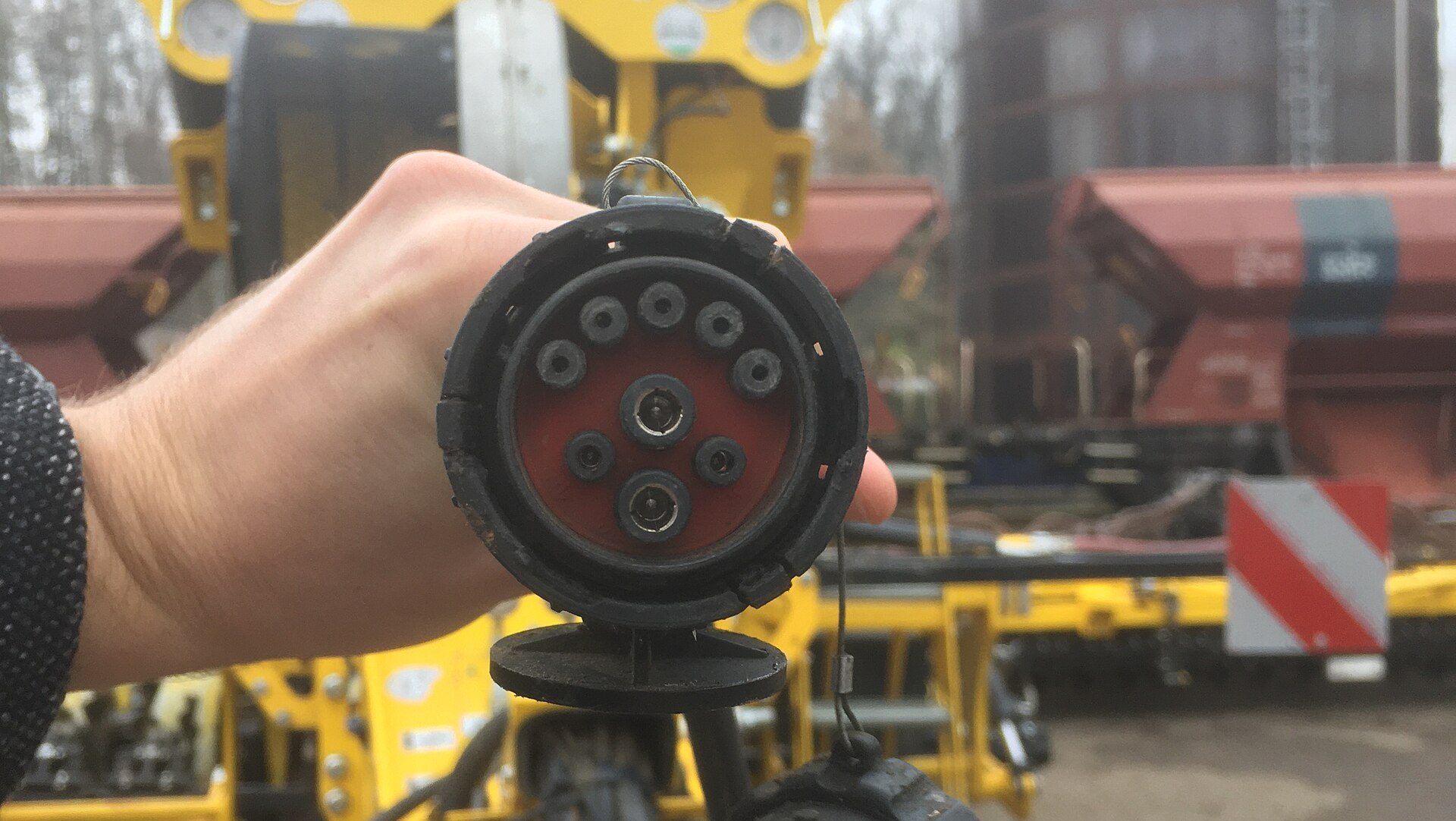
You pull into the yard with a newer planter that looks like it should match your tractor perfectly. The hookups line up, the wiring seems straightforward, and the expectation is simple. Plug it in and get to work. Instead, you find yourself sorting through cables, wondering why the display will not load, and trying to track down whether the issue is the tractor, the implement, or something in between.
That gap between expectation and reality is where ISOBUS becomes important. It was built to simplify how equipment works together, but the results depend heavily on how each machine is equipped and how well those systems actually align.
What ISOBUS Actually Does in the Cab
ISOBUS is a standardized communication system that allows tractors and implements to share data and controls. In practical terms, it gives you the ability to run different implements through a single in-cab display rather than relying on multiple monitors scattered around the cab.
When everything is set up correctly, you plug in the implement, the interface loads on your display, and you can control key functions without adding extra hardware. That means less clutter, fewer connections to manage, and a more streamlined workflow during planting, spraying, or harvest.
For many buyers, that convenience is a major factor when evaluating newer equipment. It represents time saved, fewer headaches during busy seasons, and a more integrated operation overall.
Where It Gets Complicated
The challenge is that ISOBUS is not always as uniform as it sounds. Two machines labeled as compatible can still deliver very different experiences once they are actually connected in the field.
Some tractors support only basic display functions, while others are equipped for more advanced features like section control, variable rate application, and data logging. Implements can vary just as much. One planter may fully integrate with a tractor’s system, while another may require additional unlocks or still rely on its own display for certain functions.
Older equipment adds another layer to consider. Early ISOBUS systems often handle core communication but fall short when it comes to more advanced capabilities. Firmware versions, brand-specific differences, and optional software packages can all affect how well a setup works.
These are the kinds of details that are easy to miss when browsing listings but become very noticeable once the equipment is in your operation.
Why It Matters in the Marketplace
In today’s equipment market, compatibility plays a larger role than it did even a few years ago. Buyers are not just looking at horsepower, hours, and condition. They are thinking about how a machine will fit into their existing lineup and whether it will work smoothly with the tools they already rely on.
A tractor or implement that integrates cleanly into an operation can save time every day it is used. It can reduce setup time at the field edge, eliminate the need for extra displays, and make it easier to manage data across seasons. On the other hand, a setup that requires workarounds or additional components can slow things down and introduce frustration during critical windows.
Because of that, clearly defined ISOBUS capabilities can influence how quickly a machine sells and how confident a buyer feels moving forward. Equipment that offers true plug-and-play compatibility stands out, especially when buyers are comparing multiple options across different brands.
What to Look For Before You Buy
When evaluating equipment, it is worth going beyond the simple label of ISOBUS compatibility and digging into what that actually means for your operation. A tractor may support a virtual terminal, but it is important to confirm whether it also supports task controller functions that enable section control and rate management.
It is also important to understand whether key features are already unlocked or if they require additional activation. Some capabilities follow the machine, while others depend on subscriptions or dealer involvement. Knowing that upfront can prevent unexpected costs later.
Another factor is what comes with the equipment. Displays, harnesses, and receivers are not always included, and those components can make a significant difference in how easily a machine integrates into your setup. Even something as simple as verifying that a specific tractor and implement have been run together successfully can provide valuable peace of mind.
A Small Detail That Carries Weight
ISOBUS does not always take center stage in equipment listings, but it has a growing impact on how machines are used day to day. As precision agriculture continues to advance, the ability for equipment to communicate and work together efficiently becomes more important with each season.
For buyers, understanding ISOBUS helps avoid surprises and ensures that new purchases fit smoothly into existing operations. For sellers, clearly explaining compatibility and included features builds trust and removes uncertainty during the buying process.
In a marketplace where efficiency, uptime, and ease of use all matter, that kind of clarity can make a meaningful difference.


Leave a Reply