
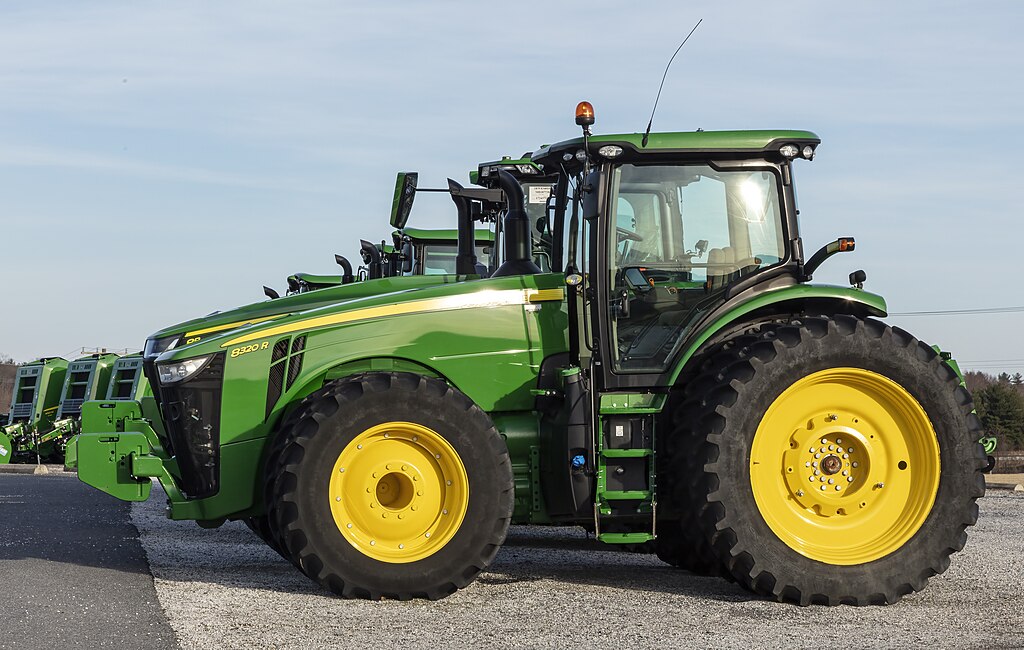
Weak grain prices, tighter farm margins and slowing machinery sales are reshaping the equipment market. For farmers considering their next tractor or combine, the downturn could create opportunities, but not every machine is becoming a bargain.
American farmers are buying fewer new tractors and combines as lower commodity prices, high operating costs and expensive financing make major purchases harder to justify. Manufacturers and dealers are adjusting to weaker demand, while farmers are reconsidering whether to buy new, purchase used or keep existing machines running longer.
According to the Association of Equipment Manufacturers (AEM), U.S. tractor sales fell 16.4% in September 2026 compared with a year earlier, while combine sales declined 10.9%. For farmers in the market for equipment, the question is whether this slowdown is creating better buying opportunities.
Tight Grain Margins Are Affecting Equipment Decisions
Farm machinery purchases are closely tied to agricultural profitability. When commodity prices are strong, farmers have greater flexibility to replace aging equipment or invest in additional capacity. When margins tighten, those purchases become harder to justify.
The USDA’s October outlook projected a U.S. corn crop exceeding 16 billion bushels, with ending stocks approaching 1.85 billion bushels. Large supplies have pressured grain prices, while fertilizer, seed, repairs and other expenses continue to compete for farmers’ cash.
The November 10 USDA World Agricultural Supply and Demand Estimates report will provide another indication of where grain markets are headed. In the meantime, many farmers are weighing the benefits of new machinery against the lower initial cost of used equipment or repairing what they already own.
New Equipment Sales Have Fallen Sharply
The machinery downturn has been developing for several years. Research from the University of Illinois farmdoc daily shows annual U.S. tractor sales peaked near 318,000 units in 2021 before declining to approximately 196,000 in 2025. Combine sales followed a similar pattern, falling from more than 7,300 units in 2023 to roughly 3,600 in 2025.
Manufacturers have responded by reducing production, while dealers are working to manage inventories and the costs of carrying expensive machines. Even with financing incentives and discounts, new equipment remains a substantial investment compared with pre-pandemic prices.
Are Used Equipment Prices Coming Down?
The used machinery market is also adjusting, although prices vary considerably by equipment category.
University of Illinois researchers, citing Sandhills Global data, reported that used tractor asking prices declined 5.85% year over year in December 2025, while auction values fell 2.54%. Used combines showed a different pattern, with relatively stable asking prices and higher auction values over the same period.
These differences highlight why buyers need to look beyond broad market averages. A low-hour tractor with desirable specifications may still command a premium, while older or less popular machines can sell at substantial discounts. Condition, maintenance history, hours and regional demand all influence value.
Buyers should also distinguish between asking prices and completed sales. A tractor advertised for $150,000 doesn’t necessarily establish its market value if comparable machines are selling for considerably less at auction.
Repair, Replace or Upgrade?
With farm margins under pressure, equipment decisions increasingly come down to total ownership costs.
Keeping an older tractor may preserve cash, but unexpected repairs and downtime can become expensive. A newer used machine can reduce the initial investment, although maintenance history and remaining service life introduce additional risks. New equipment offers warranty protection, improved technology and potentially attractive financing, but at a higher purchase price.
Comparing depreciation, financing, maintenance and expected resale value can provide a more useful picture than purchase price alone. The best choice depends on how extensively the machine will be used and whether its additional capabilities will generate enough value to justify the investment.
What Buyers Should Watch Going Into 2027
Grain prices, interest rates, dealer inventories and manufacturer production levels will all influence equipment markets in the coming months. If farm profitability remains weak, demand for expensive new machinery could stay subdued, potentially creating more opportunities for buyers.
However, declining new-equipment sales can also mean fewer trade-ins, limiting the supply of desirable used machines. Lower overall demand does not guarantee lower prices for every tractor or combine.
For farmers considering a purchase, the current market rewards careful comparison. Monitoring completed auction results, reviewing maintenance records and understanding local demand can be more valuable than trying to predict the exact bottom of the market.
The equipment downturn presents challenges for manufacturers and dealers, but it may also give patient buyers more negotiating room. With grain margins tight and machinery costs still elevated, finding the right equipment at the right price matters more than ever.


Leave a Reply