AGCO is making significant structural and service changes as the farm equipment industry moves through a difficult cycle. Lower commodity prices, reduced farm income, and softer demand for new machinery have put pressure on manufacturers and dealers. AGCO’s response centers on a shift toward service, technology, and leaner operations, and the FarmerCore model is at the center of this effort.
FarmerCore Brings the Dealership to the Field
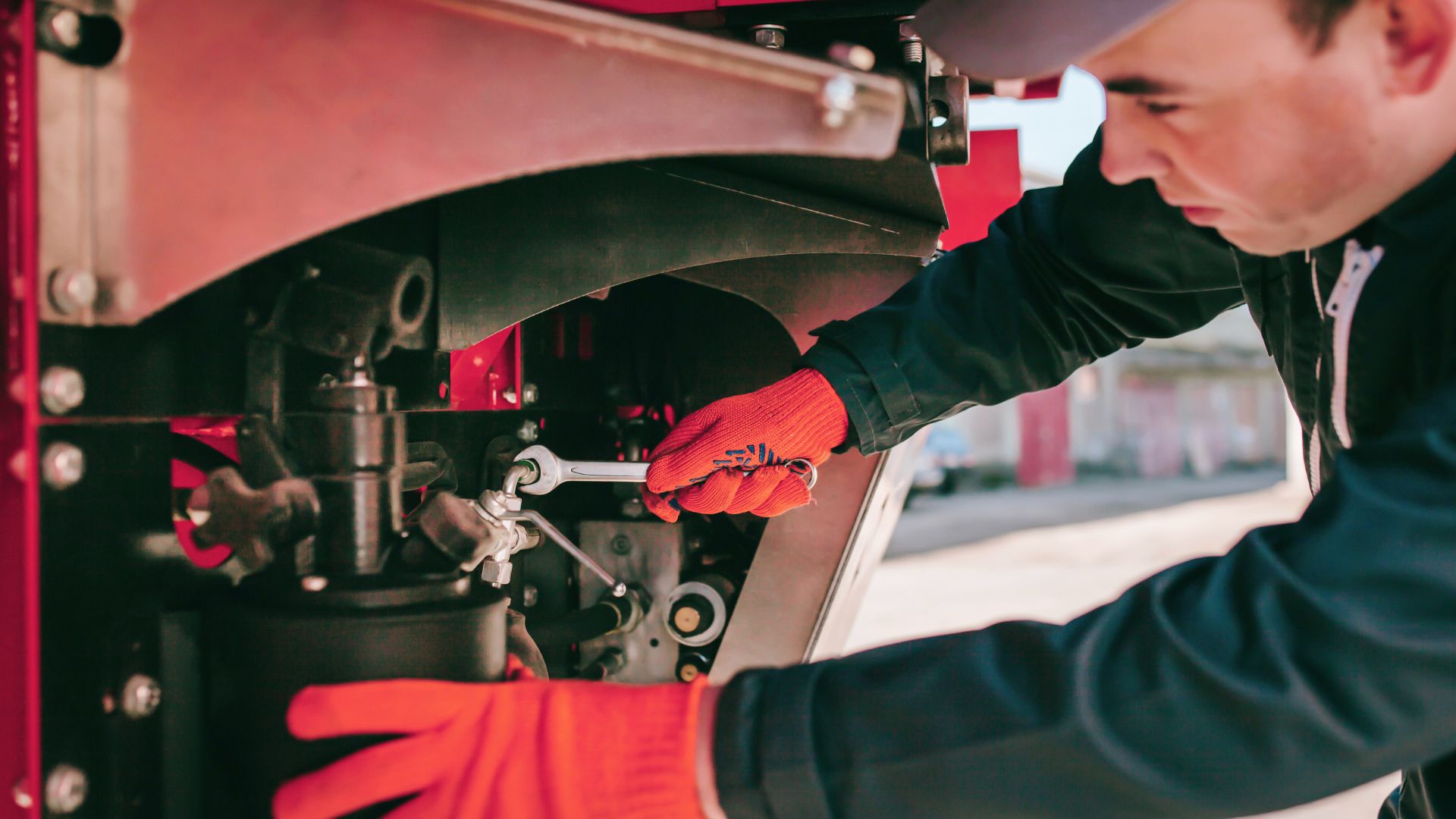
FarmerCore represents a new approach to service delivery. Instead of relying on large dealership facilities, AGCO is creating a system built around mobile service trucks, smaller physical footprints, and faster support for farmers. According to reporting from Equipment Finance News, dealers will be able to complete more than eighty five percent of service work in the field. This includes maintenance, diagnostics and many repairs that previously required hauling the machine into a shop.
The goal is to reduce downtime, cut transportation costs for farmers, and let dealerships operate with lower overhead. Farmers gain convenience and faster turnaround. Dealers gain a more reliable service-and-parts business during periods when equipment sales are slower. AGCO leadership has stated that once farmers get used to repairs and maintenance coming directly to their farms, they will not want to return to the old system.
What These Changes Mean for Farmers and Dealers
Farmers can expect more convenient service and faster response times. They will not need to haul equipment to a dealership as often, which is especially helpful during planting or harvest when every hour counts. Precision technology improvements also support better decision making and efficiency in the field.
Dealers gain a more stable service model that requires less investment in large physical facilities. Mobile service fleets and parts depots give them a way to stay profitable even when equipment sales dip. This creates a business structure that can weather economic swings with less volatility.
Precision Technology Investments
FarmerCore is only one part of AGCO’s broader strategy. The company has continued to expand its precision farming technology, including its Trimble partnership, which is intended to strengthen mixed fleet support and improve data-driven field management. These technology investments remain a central part of AGCO’s plan to provide value even when new iron is not selling at previous levels.
Streamlining AGCO’s Business
The company has taken steps to simplify its structure. It has exited its grain and protein business, an area that delivered lower margins and required significant resources. AGCO has also launched a restructuring effort aimed at creating between $175 million and $200 million in annual cost savings. This is paired with a more disciplined capital strategy that includes selective asset sales and ongoing share repurchases.
These moves are designed to make AGCO more resilient during industry downturns and better positioned to capitalize when the market improves.
A More Flexible AGCO for the Years Ahead
AGCO is clearly positioning itself for a long-term shift in how farmers expect service to be delivered. The combination of FarmerCore, technology investments, and corporate restructuring reflects a belief that success in the next decade will come from efficiency, mobility and direct support.
If AGCO’s strategy plays out as intended, the company will emerge with a lighter footprint, stronger dealer margins, and a closer relationship with the farmers who rely on its machinery. The industry may still face uncertainty, but AGCO is betting that a more flexible and farmer-focused model is the best way to navigate it.


Leave a Reply