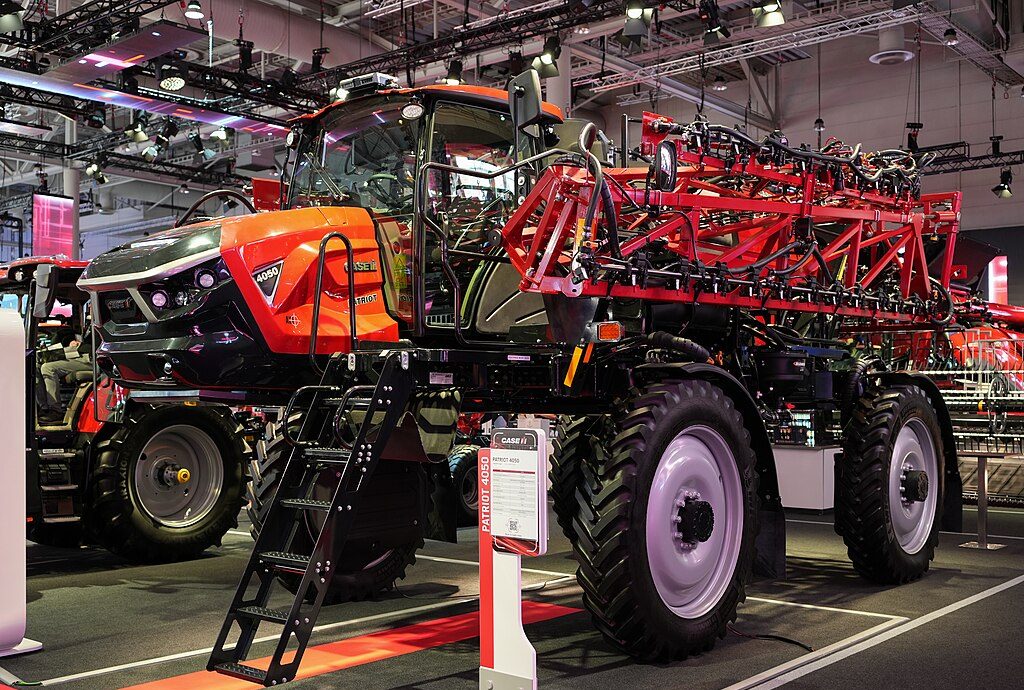
CNH Industrial is pushing artificial intelligence deeper into its tractors, combines, sprayers, and farm systems in a move that could reshape how farms operate. A recent Fortune article reports that the company is investing heavily in AI and believes these systems will give farmers smarter tools to make decisions in real-time. The objective is not just automation, but machinery that can actively improve efficiency, conserve resources, and support stronger yields.
From Precision Farming to Intelligent Machines
CNH Chief Technology Officer Jay Schroeder told Fortune that the technologies the company is developing “are really helping to feed the world,” reflecting his belief that AI can play a meaningful role in global food production. Schroeder also noted that his interest in improving farming through technology is personal, saying, “I grew up on a family farm.”
Francesca Protano, who leads technology strategy and product innovation at CNH, described agriculture as entering a new phase of technological maturity. “For many years our combines have had AI features and our farmers might not even have known about it,” she said. Protano added, “We are in the third wave of AI,” explaining that the industry is now moving beyond pilot projects and into tools that can perform reliably in everyday farming operations.
What AI Looks Like in the Field
CNH’s AI vision centers on machines that do far more than follow GPS guidance lines. Intelligent equipment can identify weeds, distinguish them from crops, and adjust application rates instantly based on what the machine sees. By combining data from sensors, field history, and environmental conditions, these systems aim to reduce waste while improving accuracy and consistency.
One of the most visible examples is in crop protection. AI-driven sprayers can apply herbicides only where they are needed, which lowers chemical use and input costs while supporting sustainability goals. Over time, these systems could help farmers manage variability within fields with a level of precision previously not possible.
Barriers to Widespread Adoption
Despite the promise, meaningful challenges remain. One of the largest hurdles is data. Farming generates enormous amounts of information, but it often comes from many different machines and formats. Turning that data into reliable, actionable insights at scale is complex. Protano has acknowledged that while CNH collects large volumes of data, ensuring it is structured, consistent, and usable across platforms is a major undertaking.
Economic pressure is another factor. Farm machinery is a significant investment, and in a tight farm economy, producers need clear evidence that AI-driven features will deliver real returns. Connectivity also remains an issue, particularly in rural areas where reliable internet access is limited. These constraints could slow adoption, especially for smaller or more remote operations.
Why the Investment May Be Worth It
For many farmers, the potential benefits outweigh the obstacles. AI-driven machinery can reduce fuel, chemical, and labor costs while improving yield consistency across variable fields. Automation also helps address ongoing labor shortages by allowing operators to focus on management and decision-making rather than repetitive tasks.
AI has the potential to improve service and uptime as well. Smarter machines can assist with diagnostics and predictive maintenance, helping dealers and farmers identify issues before they lead to costly downtime.
Looking Ahead
CNH’s push into artificial intelligence reflects a broader transformation underway in agriculture. As the technology matures and farmers see measurable results in the field, AI may shift from a premium option to an expected feature in new equipment. The next generation of tractors and combines may function less like traditional machines and more like intelligent partners, helping farmers operate more efficiently, sustainably, and profitably.


Leave a Reply