
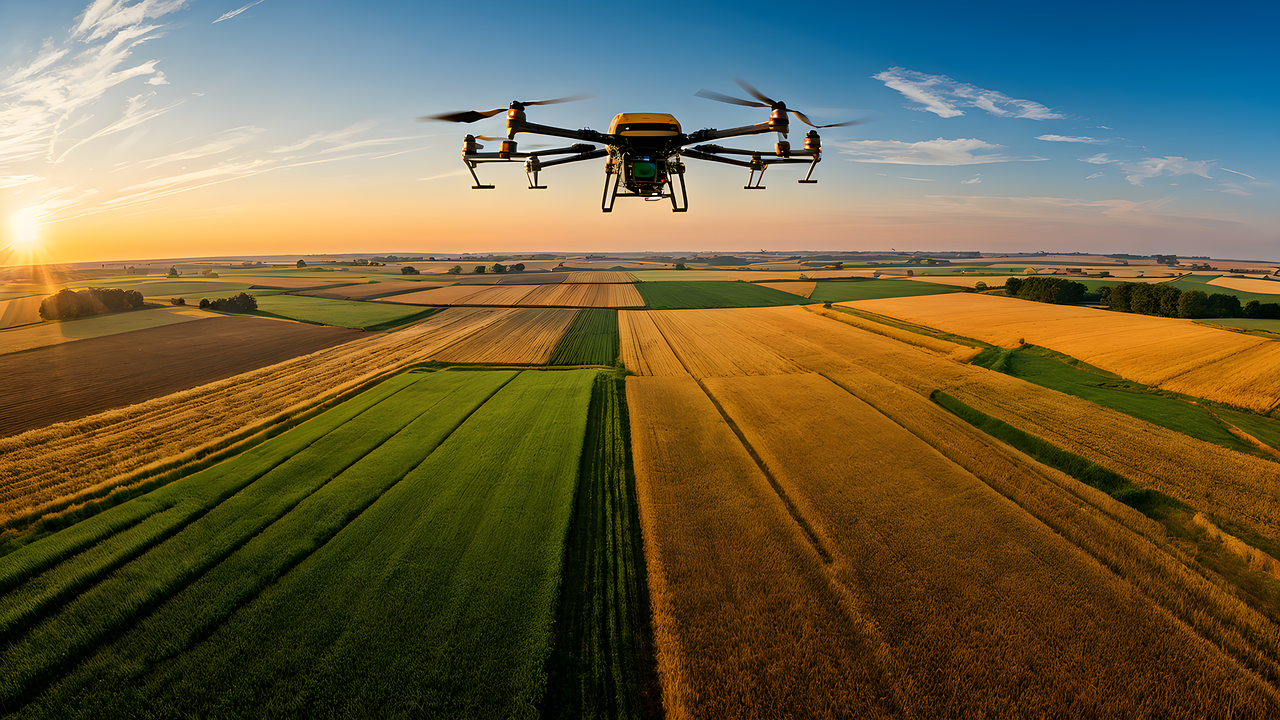
Precision agriculture is no longer an emerging concept. It is becoming a core pillar of modern farming and is set to expand rapidly over the next several years. A recent AgDaily report highlights new research from BCC Research that projects strong global growth for precision farming technologies through 2030.
According to the study titled Global Markets for Precision Farming, the precision agriculture market is expected to grow from roughly 12.8 billion dollars in 2025 to more than 21 billion dollars by 2030. That represents a compound annual growth rate of approximately 10.6 percent. This growth reflects accelerating adoption of data-driven tools that help farmers improve efficiency, reduce input costs, and manage risk in an increasingly complex production environment. Much of this is happening within American agriculture, but more of the world is adopting precision technology.
What This Growth Means for Farmers
For farmers, the projected growth of precision agriculture is not just a market signal. It directly impacts how machinery decisions are made today. Producers are increasingly weighing whether to upgrade existing equipment with retrofit precision kits or invest in new machines that come factory-equipped with advanced technology.
Retrofit solutions continue to gain traction because they allow farms to modernize without fully replacing their fleet. Auto guidance systems, variable rate controllers, telematics modules, and sensor packages can be added to older tractors, sprayers, planters, and combines. This approach lowers the barrier to entry for precision technology and allows farms to see immediate operational benefits without a major capital commitment.
At the same time, new equipment purchases are increasingly centered around integrated precision capabilities. Modern tractors and implements are designed with connectivity, automation, and data capture built in from the start. For farms planning long-term growth or managing large acreages, these integrated systems can provide smoother workflows, better data consistency, and improved compatibility across equipment.
Farming Areas Most Affected by Precision Technology
Row crop production continues to see the most visible impact from precision agriculture. GPS guidance and auto steer reduce overlap and fatigue while improving accuracy during planting, spraying, and harvesting. Variable-rate technology allows producers to tailor seed populations, fertilizer rates, and crop-protection applications to specific field zones rather than applying uniform rates across entire fields.
Data collection and analysis are also transforming decision-making. Yield monitoring, soil mapping, and remote sensing provide farmers with deeper insight into field variability. Aerial imagery and sensor-driven scouting help identify crop stress, nutrient deficiencies, and pest pressure earlier in the season. These tools support more timely interventions and more efficient input.
Precision agriculture is also expanding beyond traditional row crops. Specialty crop producers are adopting sensor-based irrigation control, imaging tools, and automated equipment to manage high-value acres more precisely. Livestock operations are increasingly using monitoring systems and data platforms to track animal health, feeding efficiency, and facility conditions.
Major Players and Emerging Innovators
Growth in precision agriculture is being driven by both established equipment manufacturers and specialized technology companies. Major OEMs such as John Deere, CNH Industrial, and AGCO continue to expand precision offerings across their machinery lineups, making guidance, connectivity, and automation core features rather than optional add ons.
Technology providers like Trimble and Topcon remain critical players, particularly for farmers running mixed fleets. Their systems support widespread adoption through retrofit and aftermarket solutions.
Innovation is also coming from precision-focused companies such as Raven Industries, Precision Planting, Taranis, and Blue River Technology, which are advancing variable-rate application, machine vision, crop analytics, and targeted-input technologies. Together, these players are accelerating the shift toward data-driven, automated farming systems that the BCC Research study identifies as a major driver of market growth through 2030.
Looking Ahead
This recent study reinforces what many farmers already see in the field. Precision agriculture is moving from optional to essential. As margins tighten and variability increases, data-driven tools and automation are becoming critical to staying competitive.
Whether through retrofitting existing machinery or purchasing new equipment designed around precision technology, farmers have more pathways than ever to adopt these tools. The next several years will likely see continued acceleration as precision agriculture becomes deeply embedded in everyday farm operations, shaping how food is produced and how farm businesses plan for the future.


Leave a Reply