For most grain farmers, the planter is one of the most important machines on the farm. A well-planted crop can set the stage for strong yields, while uneven emergence or poor seed placement can cost bushels before the crop even gets started. Because of this, many farmers regularly evaluate whether it makes sense to upgrade the planter they already own, purchase a used machine, or invest in a brand new one.
There is no single answer that fits every operation. The right choice usually depends on acreage, the condition of the current planter, available technology, and overall farm economics.
Upgrading an Older Planter
For many farms, upgrading an existing planter provides the best balance of performance and cost. Modern planting technology has advanced rapidly over the past decade, and many of these improvements can be installed on older planters with a solid frame and toolbar.
A recent article from Farm Progress highlights how many growers are now focusing on improving the planter they already have instead of trading for a new one. If the mechanical structure of the planter is still sound, adding updated components can dramatically improve performance. In many cases, farmers can spend roughly sixty to seventy percent of the cost of a new planter while gaining many of the same technological advantages.
Upgrades often include electric-drive seed meters, automated hydraulic downforce systems, row-by-row section control, and advanced seed-monitoring systems. Many farmers also retrofit their planters with precision agriculture technology that improves seed spacing and planting accuracy. Improvements in row cleaners, closing wheels, and central fill seed systems can also make a noticeable difference in stand uniformity.
When the core iron is still strong and the machine is already paid for, upgrading can effectively turn an older planter into a modern precision planting system. For farms that are not dramatically expanding acreage, this approach often delivers the best return on investment.
Buying a Used Planter
Purchasing a used planter can be a smart middle ground between upgrading and buying new. This option often appeals to farmers who need a different size planter, want newer technology, or simply have an older machine that has reached the end of its life.
Some growers specifically seek out used planters that have already been upgraded with precision components. Farm Progress has highlighted examples of farmers who purchased used machines equipped with central fill and other technology upgrades, saving significant money compared to buying a new planter with similar capabilities.
Other farmers take a different approach by purchasing a solid used planter and then retrofitting it themselves. In one case reported in the precision planting industry, a grower spent about $180,000 upgrading a used planter with modern technology rather than purchasing a new machine that would have cost nearly twice as much.
The key to buying used equipment is starting with a strong foundation. A planter with a straight toolbar, tight row units, and a solid maintenance history can be a great platform for upgrades. On the other hand, a worn-out machine can quickly erase the savings if it requires constant repairs.
Buying a Brand New Planter
While upgrading or buying used often makes financial sense, there are still situations where purchasing a brand-new planter is the best option.
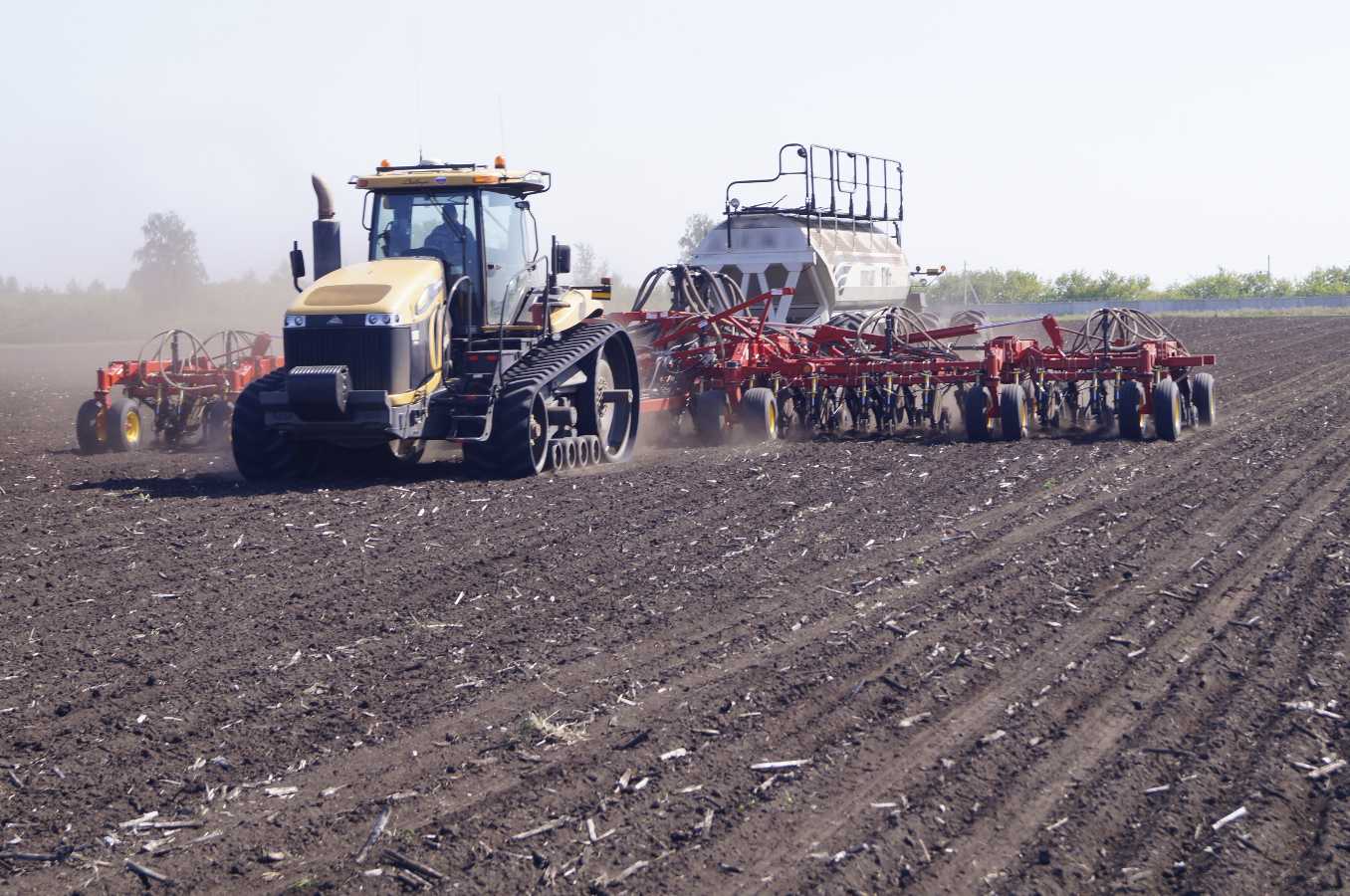
Large farming operations that plant thousands of acres each spring often prioritize efficiency, reliability, and capacity. New planters can offer larger seed tanks, higher planting speeds, and factory-integrated technology that older machines cannot easily match.
Modern row units are designed for improved seed placement, better residue management, and more consistent depth control. Factory-installed precision systems also provide seamless integration with tractors, guidance systems, and farm data platforms.
Another advantage of buying new is reliability. Planting season is one of the most time-sensitive windows in farming. When weather delays occur, farmers often need to plant large acreages quickly, and downtime can be extremely costly. A new planter with a factory warranty and the latest engineering improvements can provide peace of mind during these critical weeks.
For farms covering large acreages or operating within tight planting windows, the time savings and reliability of a new machine can justify the higher purchase price.
Matching the Planter to the Farm
Ultimately, the decision to upgrade, buy used, or purchase new should come down to return on investment. A planter is one of the few machines on the farm that directly influences crop yield, so improvements in planting accuracy and emergence uniformity can pay off quickly.
For many farms, upgrading an existing planter provides the most cost-effective path to better performance. Others may benefit from purchasing a used planter that already includes newer technology or provides a better platform for upgrades. In large, high-acreage operations where speed and reliability are critical, investing in a brand new planter may make the most sense.
Every farm is different, and the right choice depends on balancing technology, economics, and the scale of the operation. The most important goal is ensuring that the planter in the field is capable of delivering a consistent, high-quality stand when it matters most.


Leave a Reply