
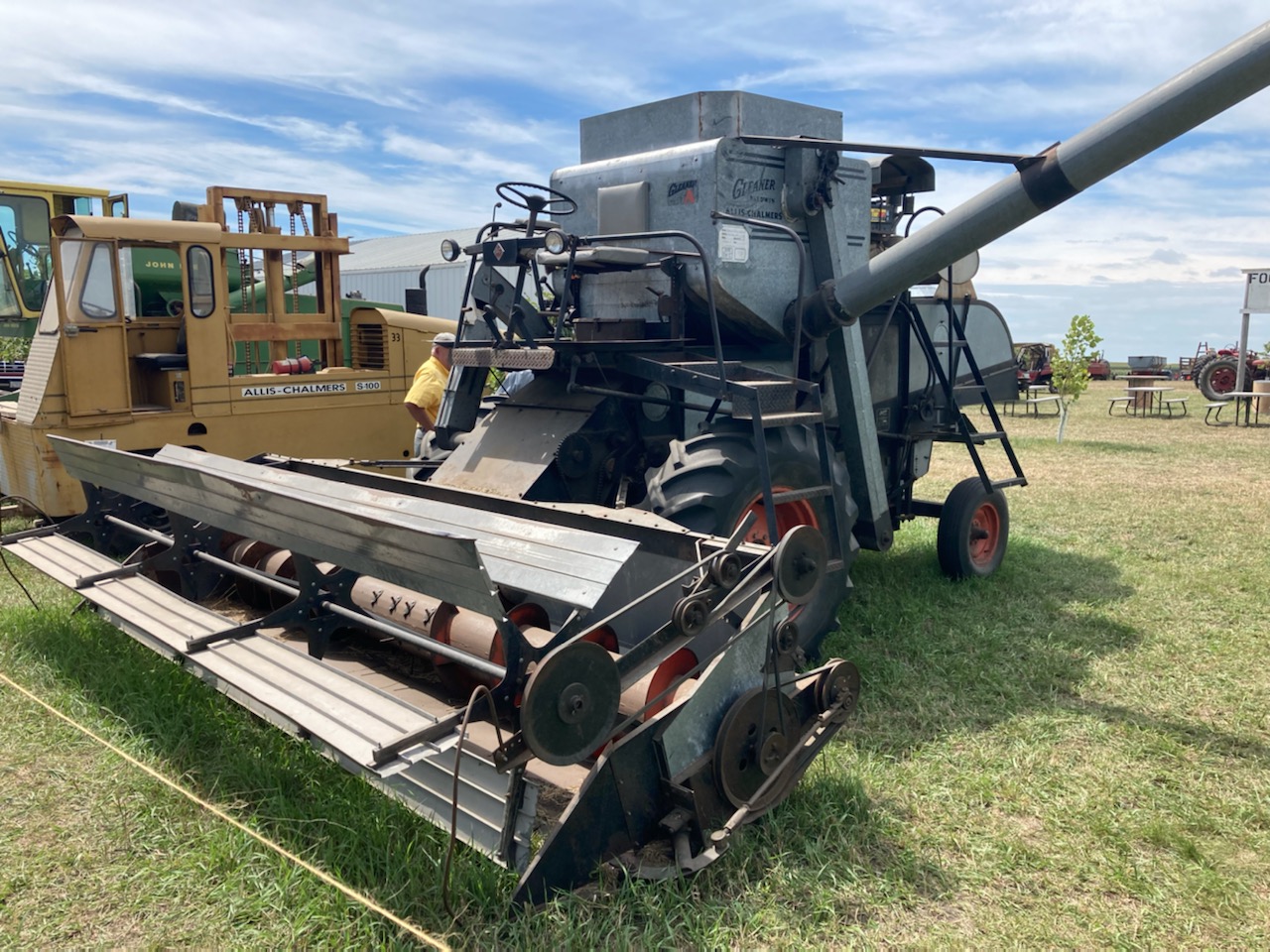
In an industry dominated by familiar colors and global machinery giants, few equipment brands inspire loyalty quite like Gleaner.
For generations of farmers, the silver combine was more than another machine in the shed. It was a point of pride. Families ran Gleaners for decades, neighbors debated them against red and green machines, and many operators became lifelong believers in a combine design that looked and worked differently from nearly everything else in the field.
Despite changing ownership, shifting technology, and increasing consolidation across agriculture, Gleaner survived while many machinery brands disappeared entirely. The question is: Why?
The answer begins more than a century ago.
The Early Years of Gleaner
Gleaner traces its roots back to the early 1920s in Kansas, when the Baldwin brothers began developing harvesting equipment designed to improve efficiency in grain production. The company name reflected the idea of collecting every possible kernel from the field, emphasizing productivity and reducing waste long before precision agriculture became common language.
By the mid-20th century, harvesting equipment was evolving rapidly, and Gleaner became one of the companies helping shape the move toward self-propelled combines. In 1955, the brand was acquired by Allis-Chalmers, providing greater manufacturing resources and helping expand Gleaner’s presence across North America.
For many longtime operators, the Allis-Chalmers era remains deeply tied to the identity of Gleaner. The silver combines produced during those years became some of the most recognizable harvest machines ever built.
The Silver Combine Became More Than a Color
Most major equipment manufacturers became associated with a color. Green, red, yellow, or blue often immediately signal a brand.
Gleaner became known for silver.
Originally, the use of galvanized metal served a practical purpose by improving corrosion resistance and reducing long-term maintenance concerns. Over time, however, silver evolved into something larger than appearance. It became an identity.
Many Gleaner owners viewed themselves as independent-minded operators willing to choose equipment based on engineering and field performance rather than simply buying the most common machine in the neighborhood. That mindset helped create a level of loyalty that still exists today.
A Different Philosophy on Combine Design
Part of what separated Gleaner from competitors was a willingness to take different engineering approaches.
One of the most discussed examples is the transverse rotor design used on rotary Gleaner combines. Unlike many competing combines that arrange major threshing components lengthwise, Gleaner positioned key components differently to alter crop flow through the machine.
Supporters have long argued that the design offers advantages in serviceability, machine balance, residue distribution, and accessibility. Critics have debated performance tradeoffs for decades.
That ongoing debate is part of the brand’s appeal. Gleaner owners often become passionate advocates because they believe the machines solve problems differently. Few combine brands inspire operators to discuss internal machine layouts with the same enthusiasm.
Surviving an Industry Full of Disappearing Brands
Agricultural equipment history is filled with once-familiar names that eventually disappeared through mergers, bankruptcies, and consolidation.
Gleaner remained.
Ownership changed several times before the brand ultimately became part of AGCO Corporation alongside companies such as Massey Ferguson and Fendt. While many legacy machinery names faded away during similar transitions, Gleaner maintained a dedicated customer base willing to continue supporting the equipment generation after generation.
That kind of loyalty is difficult to manufacture. In farming, trust is often built over decades.
Why Farmers Continue Running Gleaners
Talk with longtime Gleaner owners and similar themes appear repeatedly. Operators often point to simplicity, ease of maintenance, visibility, lighter machine weight, and familiarity with the equipment.
For some, the appeal comes down to serviceability. Others simply trust what has worked reliably on their operations for years. In many cases, loyalty becomes generational. It is not unusual to hear stories of families running Gleaners for thirty, forty, or even fifty years.
Very few machinery brands maintain that kind of connection with customers.
Why Gleaner Still Matters
Modern combines continue becoming larger and more technologically advanced, incorporating automation, telematics, yield analytics, and increasingly autonomous capabilities. Yet equipment loyalty remains surprisingly powerful.
Gleaner may be one of the clearest examples of that reality.
The brand never needed to become the largest manufacturer to leave a lasting impact on agriculture. Instead, Gleaner built its reputation by doing things differently, maintaining a unique engineering philosophy, and earning trust from operators who valued practicality over popularity.
The silver combine remains one of farming’s most recognizable machines. Judging by the loyalty surrounding the brand, it may remain that way for many years to come.

Leave a Reply