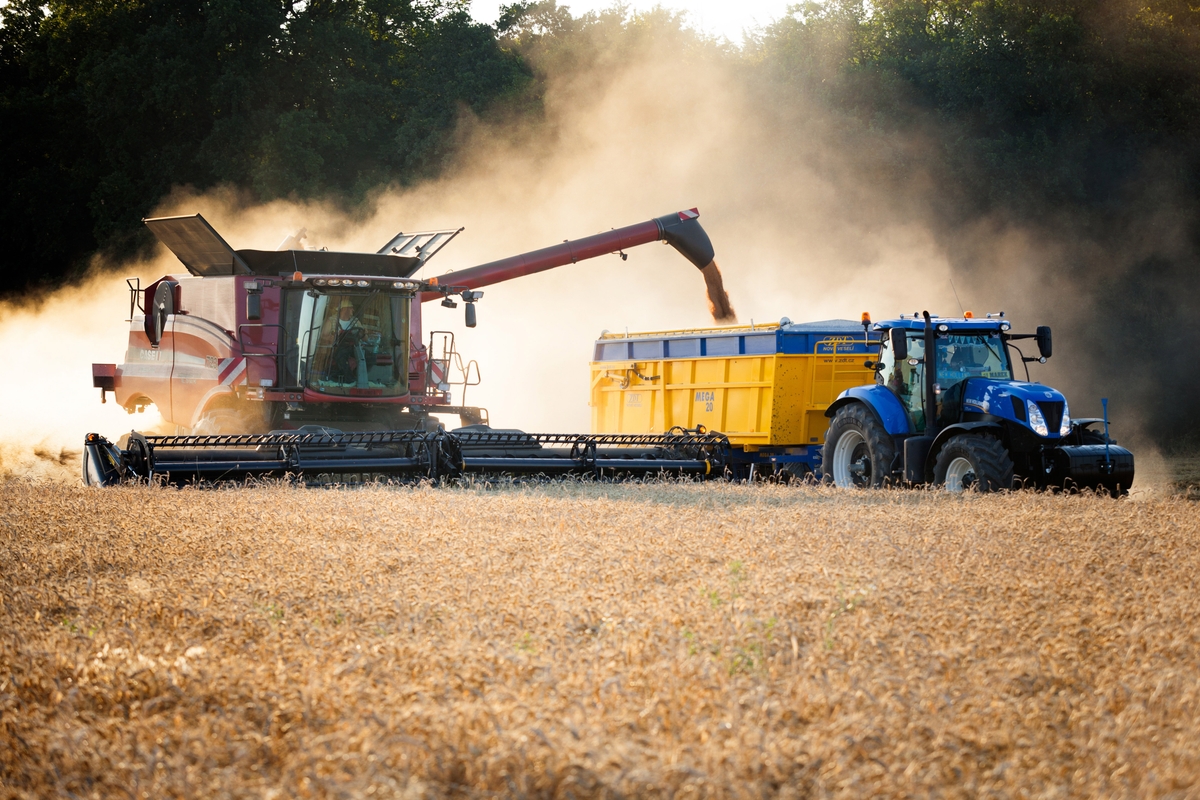
Recent organizational changes inside CNH have sparked a conversation across the farm equipment industry about what some dealers are calling the “purpling” of the company’s dealer network, which refers to the blending of CNH’s traditional red and blue organizations.
The discussion follows a restructuring of CNH’s North American agriculture organization that places leadership responsibilities for Case IH and New Holland dealer operations under a more unified structure. CNH has emphasized that both brands will remain distinct and continue to operate through separate dealer networks, but the move has nonetheless generated speculation among dealers about the company’s long-term direction.
For most farmers, organizational charts are not particularly interesting. What matters is whether changes like these could eventually affect product development, dealer support, and the future direction of two of agriculture’s most recognizable equipment brands.
More Shared Than Many Realize
Although Case IH and New Holland maintain distinct identities, they have operated under the same corporate umbrella for decades. Many tractors, combines, sprayers, and precision agriculture technologies have shared engineering resources and development costs over the years, even when the finished products wore different colors and carried different logos.
Because of that history, discussions about greater coordination between the brands are not entirely new. What makes this situation noteworthy is that the conversation centers on dealer support and organizational structure rather than equipment platforms.
Why Now?
The timing may reflect broader conditions across the farm equipment industry.
Manufacturers are navigating softer demand, elevated inventory levels, and pressure to control costs while continuing to invest heavily in precision agriculture, automation, and software development. In that environment, finding efficiencies within an organization becomes increasingly attractive.
Greater coordination between leadership teams, dealer support organizations, and internal operations can reduce duplication without requiring major changes to the brands customers see at their local dealership.
That does not mean Case IH and New Holland are becoming the same company in the eyes of customers. It does suggest CNH is evaluating how closely parts of the organization can work together while maintaining separate identities in the marketplace.
What Dealers Are Watching
The reaction from dealers highlights why the story has attracted attention.
Dealer networks are a major part of each brand’s identity, and many dealerships have spent generations building relationships with customers who strongly identify with either Case IH or New Holland. Whenever corporate restructuring occurs, questions naturally follow about where those changes might eventually lead.
CNH has repeatedly stated that the brands and dealer networks will remain distinct. Even so, some dealers see the latest move as a signal that the company may be looking for greater integration behind the scenes.
The Bigger Question
For now, farmers will continue to see red machines sold through Case IH dealers and blue machines sold through New Holland dealers.
The more interesting question is whether “purpling” eventually extends beyond organizational structures. Could dealer support resources become increasingly shared? Will future product development become more closely aligned? Or will this ultimately prove to be little more than an internal management adjustment?
CNH is not suggesting dramatic changes are on the horizon. Yet the conversation surrounding this latest move shows that many across the industry are asking the same question: after decades of operating as separate red and blue organizations, are the lines between them beginning to blur?

Leave a Reply