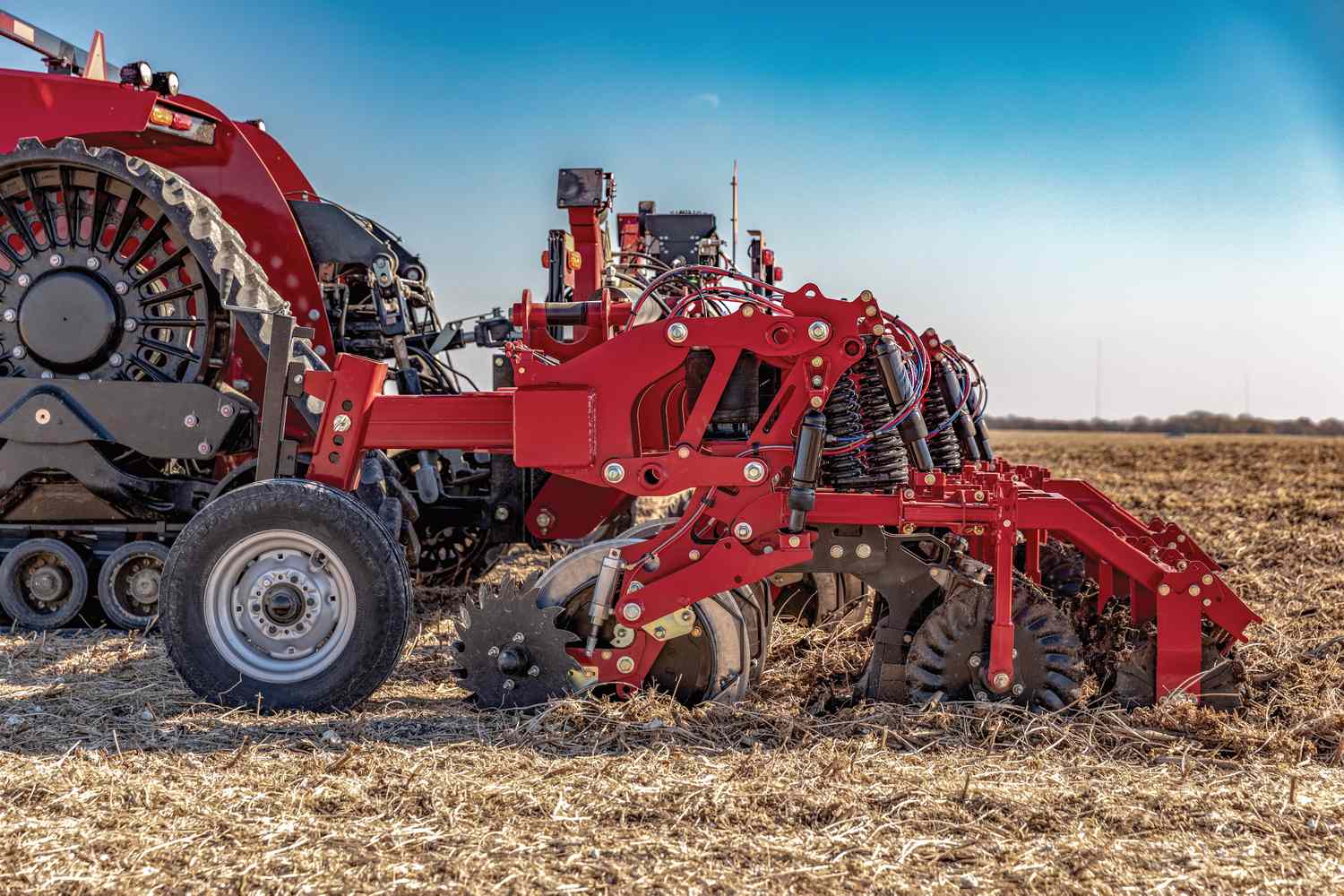
Case IH has introduced a new strip-till system called the Nutri-Tiller, giving growers another option for combining seedbed preparation and fertilizer placement in a single pass.
At first glance, the Nutri-Tiller may look like another addition to the company’s tillage lineup. In reality, it reflects a broader shift taking place throughout the strip-till market. As fertilizer costs remain a major concern for many operations, manufacturers are increasingly designing equipment that helps growers place nutrients more precisely while reducing trips across the field.
The Nutri-Tiller is designed to create a prepared planting strip while simultaneously placing fertilizer below the soil surface. By combining those tasks into one operation, growers can potentially reduce fuel use, labor requirements, and equipment hours during some of the busiest times of the year.
Built Around Nutrient Placement
For years, strip-till equipment was often promoted as a middle ground between conventional tillage and no-till. Farmers could leave most crop residue in place while still creating a warmer, cleaner seedbed for planting.
Today, many growers view strip-till through a different lens. Fertilizer remains one of the largest input expenses in crop production, creating increased interest in systems that can place nutrients directly where future crop roots are expected to develop. Strip-till naturally lends itself to that approach by creating a narrow tilled band that serves as both the planting zone and the nutrient zone.
The Nutri-Tiller is designed around that concept. Rather than treating fertilizer application as a separate operation, the system allows nutrient placement to become part of the strip-building process.
Fewer Passes, More Efficiency
The appeal of strip-till extends beyond nutrient management.
As farms continue to grow in size and labor remains difficult to find, many growers are looking for ways to accomplish more work with fewer trips across the field. Combining tillage and fertilizer application into a single pass can help reduce equipment wear, fuel consumption, and the time required to prepare acres for planting.
That efficiency becomes particularly valuable during narrow weather windows when field conditions are favorable but time is limited. For many operations, reducing even one pass across hundreds or thousands of acres can result in meaningful savings over the course of a season.
Part of a Growing Trend
Case IH is far from alone in focusing on nutrient placement. Across the industry, manufacturers continue investing in strip-till systems, fertilizer delivery technology, and precision agriculture tools designed to help growers make better use of every pound of applied nutrients.
That trend reflects the changing role of strip-till equipment. While residue management and reduced soil disturbance remain important benefits, many of today’s systems are increasingly being evaluated based on how effectively they integrate fertility management into the overall crop production process.
Looking Ahead
The introduction of the Nutri-Tiller highlights how the strip-till market continues to evolve.
Modern strip-till equipment is no longer focused solely on moving soil or building berms. Increasingly, it is being designed to help growers manage nutrients, reduce field passes, and improve overall operational efficiency.
The Nutri-Tiller is the latest example of that shift, bringing seedbed preparation and nutrient placement together in a single system designed for today’s crop production challenges.


Leave a Reply