
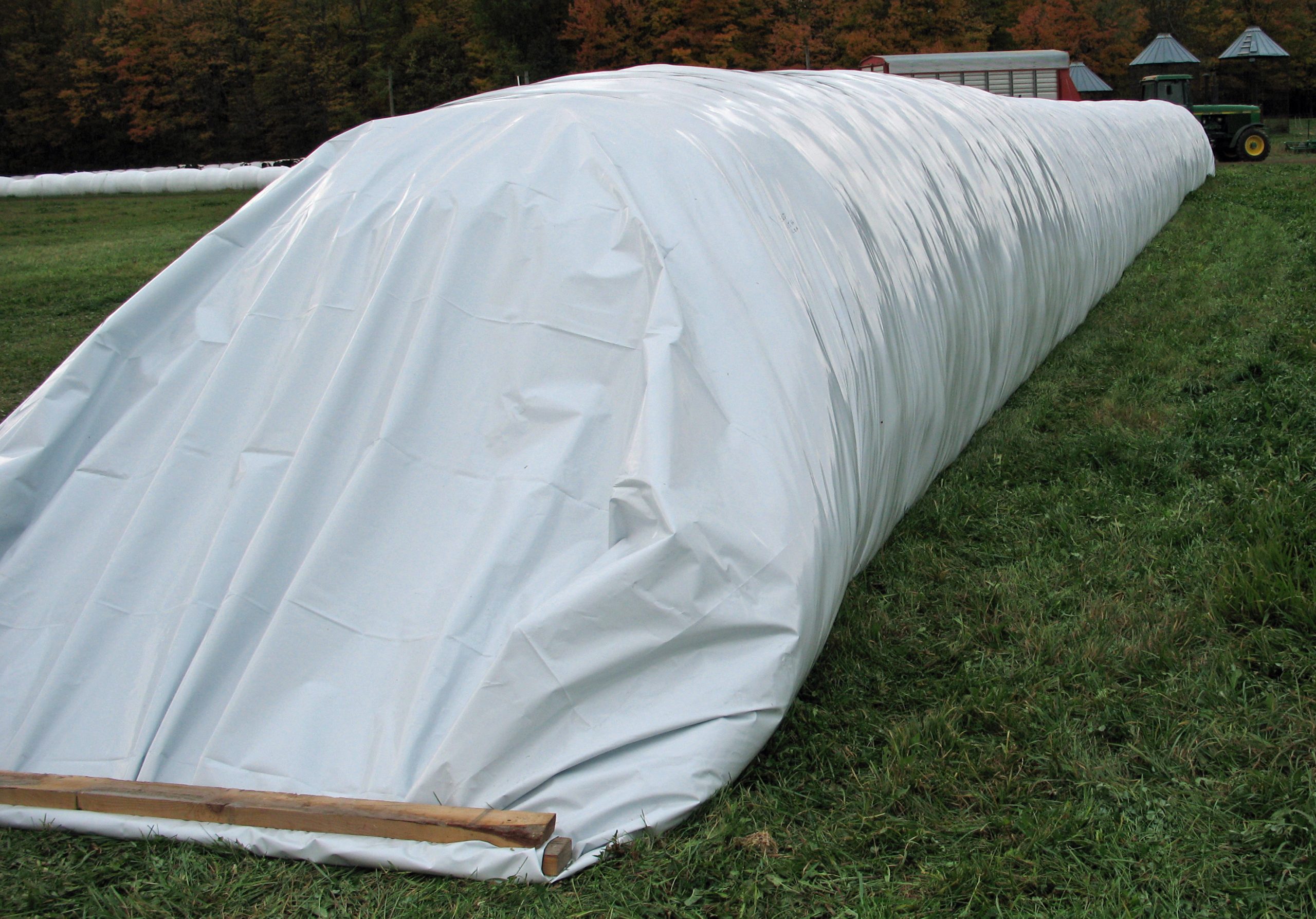
Black Sea shipping disruptions are pushing Russian farmers toward massive plastic grain bags. The same technology offers American growers flexible storage without the expense of permanent bins, but the economics come with trade-offs.
Russian farmers are turning to giant plastic grain-storage bags as disruptions to Black Sea shipping leave millions of tons of harvested crops waiting for export. The growing use of the technology highlights an increasingly important question for grain producers worldwide: how to expand storage capacity without committing to expensive permanent infrastructure.
According to a November 11 Reuters report, the Russian Grain Association estimates that approximately 10 million metric tons of grain, about 7% of the country’s annual harvest, is already being stored in large polyethylene bags. Agricultural consultancy IKAR estimates that as much as 20 million tons of surplus grain could require storage as export disruptions continue.
A Storage Solution Born From Necessity
The technology, developed in Argentina during the 1990s, uses long, sealed plastic tubes that can hold thousands of bushels of grain. Specialized bagging equipment fills the tubes, which can be placed near fields or in designated storage areas, while separate unloading machines recover the grain when it is ready for transport or sale.
Russia’s expanding use reflects a combination of limited modern storage capacity and disrupted export routes. Reuters reports that attacks affecting Black Sea shipping have reduced Russian grain exports by roughly one-third of normal volumes since early July, creating a backlog that existing storage facilities cannot easily accommodate.
One Russian agricultural company, Aeon Agro, reported increasing its grain-bag storage eightfold since 2023, reaching 180,000 metric tons. With high borrowing costs making new elevators difficult to finance, temporary bags offer a way to hold large quantities of grain without waiting for permanent facilities to be built.
Grain Bags Are Already Used in the United States
Although Russia’s adoption is attracting attention, grain bags are familiar to some American farmers, particularly in regions where harvest volumes, transportation bottlenecks or changing crop rotations make flexible storage valuable.
Research from the University of Tennessee describes typical grain bags holding approximately 10,000 to 18,000 bushels, depending on their dimensions. They can be filled near the field, reducing the number of trucks needed during harvest and allowing combines to keep running when commercial elevators are congested.
Unlike a permanent bin, bag capacity can be added or reduced as needed. That flexibility can be attractive to growers who occasionally produce more grain than their existing facilities can accommodate or who want to avoid a major construction investment.
How Do the Costs Compare?
The appeal of grain bags begins with lower infrastructure requirements, but the bags themselves are only part of the expense.
A Texas A&M AgriLife economic analysis estimated that grain-bag loading and unloading equipment could each cost around $50,000, based on 2022 assumptions. Its example for a system handling 100,000 bushels estimated equipment ownership costs of approximately 14 cents per bushel, plus operating costs of 17 to 22 cents per bushel.
Those figures are historical examples rather than current equipment quotes. Actual costs depend on annual volume, machinery ownership or rental, labor, fuel, site preparation and the price of disposable bags. Farms using the system across more bushels can spread fixed machinery costs over a larger volume.
Permanent grain bins require a larger initial investment but can offer longer service life, aeration, drying capabilities and easier access to stored grain. For farms needing dependable storage every year, those advantages may justify the higher upfront expense.
The Risks of Storing Grain in Plastic
Grain bags have limitations that become particularly important when storage periods extend beyond a few months.
Unlike conventional bins, sealed bags do not provide active aeration or drying. Grain must enter storage at a safe moisture content, and operators need to monitor the bags for punctures, rodents, birds and moisture infiltration. Damaged bags can allow spoilage to develop before the grain is marketed.
University of Missouri Extension recommends treating grain bags primarily as short-term storage, with six months a reasonable planning limit under suitable conditions. While Russian suppliers have cited potential storage periods of up to 18 months, safe duration depends on grain condition, climate and careful management.
Site selection also matters. Bags require relatively flat, well-drained ground with adequate space for filling and unloading equipment. Once emptied, the single-use plastic must be collected and disposed of or recycled where suitable programs are available.
Could Grain Bags Make Sense for More American Farms?
For U.S. producers, the most compelling application may be supplemental storage rather than a complete replacement for grain bins.
A farmer facing a bumper harvest, long elevator lines or a temporary shortage of storage capacity could use bags to keep harvesting while postponing grain movement. The ability to hold grain beyond the immediate harvest period may also provide more marketing flexibility, although any potential price improvement must exceed storage, handling and financing costs.
The decision becomes less straightforward for farms that regularly need drying, long-term storage or frequent access to smaller quantities of grain. In those situations, permanent bins or commercial storage may remain more practical.
Russia’s experience demonstrates how quickly grain bags can expand storage capacity when conventional infrastructure cannot keep pace. For American farmers, the lesson is less about adopting an unfamiliar technology and more about evaluating whether flexible storage could solve a specific problem without creating unnecessary cost or risk.
With grain prices and farm margins under pressure, the best storage investment may be the one that provides enough flexibility to manage the next harvest without tying up more capital than necessary.


Leave a Reply