
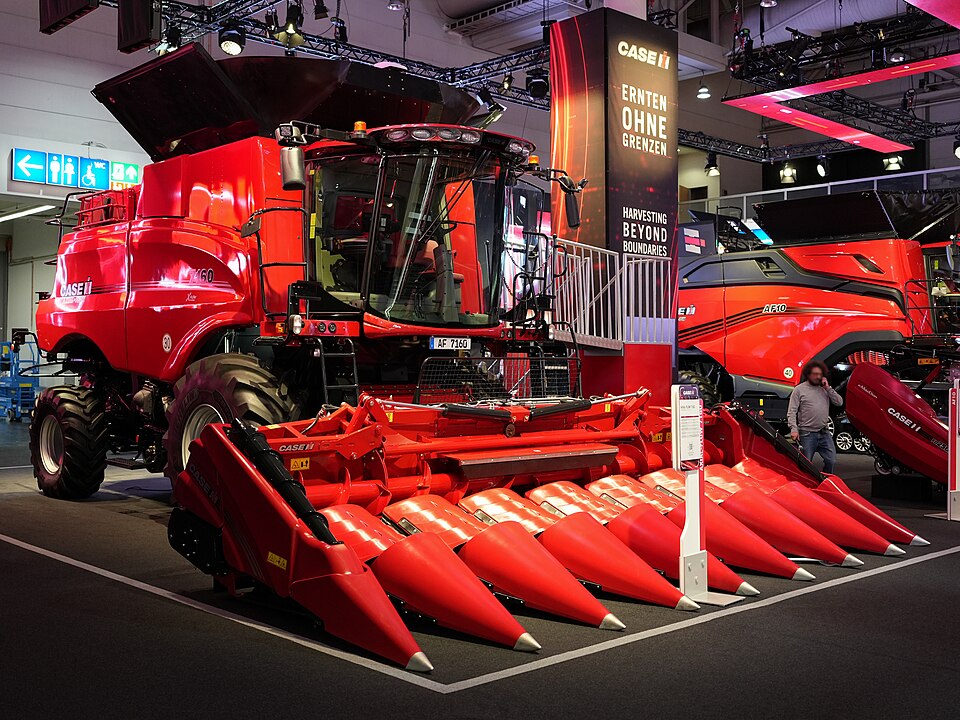
Case IH is bringing more of its flagship harvesting technology to the middle of its combine lineup. For model year 2027, the company has announced a series of updates to its Axial-Flow 160 Series Class 6 and Class 7 combines, focusing on automation, connectivity, operator comfort, and harvesting performance rather than a complete redesign.
The changes build on recent additions like Harvest Command automation while introducing new technology that gives producers more information, more control, and better visibility into harvest without moving into the company’s largest machines. For growers looking for premium features in a mid-size combine, the latest updates narrow the gap between the 160 Series and Case IH’s flagship offerings.
A Smarter Cab for Long Harvest Days
Perhaps the most noticeable change is inside the cab. Operators now have access to dual Pro 1200 touchscreen displays, allowing machine functions and agronomic information to be viewed simultaneously instead of constantly switching between screens. One display can be dedicated to combine settings while the second monitors yield maps, guidance, moisture, or other precision agriculture data.
The updated cab also adopts features from larger Axial-Flow models, giving operators a more refined workspace during long days in the field. Better screen organization, easier access to information, and improved ergonomics all contribute to reducing operator fatigue during harvest.
The improvements reflect a growing trend across agricultural equipment. Manufacturers increasingly recognize that helping operators make better decisions, and making those decisions easier, can be just as valuable as increasing machine capacity.
More Connected From the Field to the Office
Case IH also expanded the connectivity available on the 160 Series. Lifetime modem connectivity is now included, allowing combines to communicate with the FieldOps platform for machine monitoring, agronomic data management, and remote support without requiring producers to install additional hardware.
Remote diagnostics continue to become an increasingly important part of equipment ownership. Dealers can often identify issues before arriving on-site, reducing downtime during one of the busiest times of the year. Features such as AccuSync allow guidance lines and coverage information to move seamlessly between machines, while technologies like AccuTurn further automate headland management.
Together, these systems are designed to keep combines working while reducing the amount of manual setup and data management operators have traditionally handled themselves.
Automation Continues to Evolve
Rather than reinventing the Axial-Flow threshing system, Case IH has continued refining the intelligence behind the machine. Harvest Command automation remains a centerpiece of the 160 Series, automatically adjusting combine settings as crop conditions change throughout the day.
As moisture levels, crop density, or field conditions vary, the system continually optimizes settings to balance grain quality, throughput, and grain loss. Instead of requiring operators to stop and manually fine-tune the machine throughout harvest, the combine continuously makes many of those adjustments on its own.
That reflects a broader direction across the industry. Today’s combine manufacturers are increasingly competing on software, automation, and decision support alongside traditional measures like horsepower and grain tank capacity.
Mechanical Improvements Still Matter
While much of the announcement centers on technology, Case IH didn’t overlook mechanical improvements. The updated combines receive a new unloading auger clutch designed to improve durability, along with an optional two-speed feeder drive that gives operators additional flexibility across different harvesting conditions.
Additional concave options and sensing improvements are intended to improve crop flow and harvesting performance, particularly in more challenging crop conditions. These aren’t headline-grabbing changes individually, but together they contribute to smoother operation and greater harvesting efficiency throughout the season.
For producers who spend weeks in the combine every fall, incremental improvements often add up to meaningful gains in productivity and reduced downtime.
Bringing Premium Technology to More Farms
The latest updates demonstrate where combine development continues to head. Instead of focusing solely on larger engines or higher capacity, manufacturers are investing heavily in automation, connectivity, and operator experience. Many of those technologies were once reserved for flagship machines, but they’re steadily making their way into more accessible segments of the market.
For producers considering a Class 6 or Class 7 combine, the updated Axial-Flow 160 Series offers many of the intelligent features found in larger machines while maintaining the size and capacity that fit a wide range of farming operations. As harvest technology continues to advance, it’s increasingly the software that separates one generation of equipment from the next.


Leave a Reply